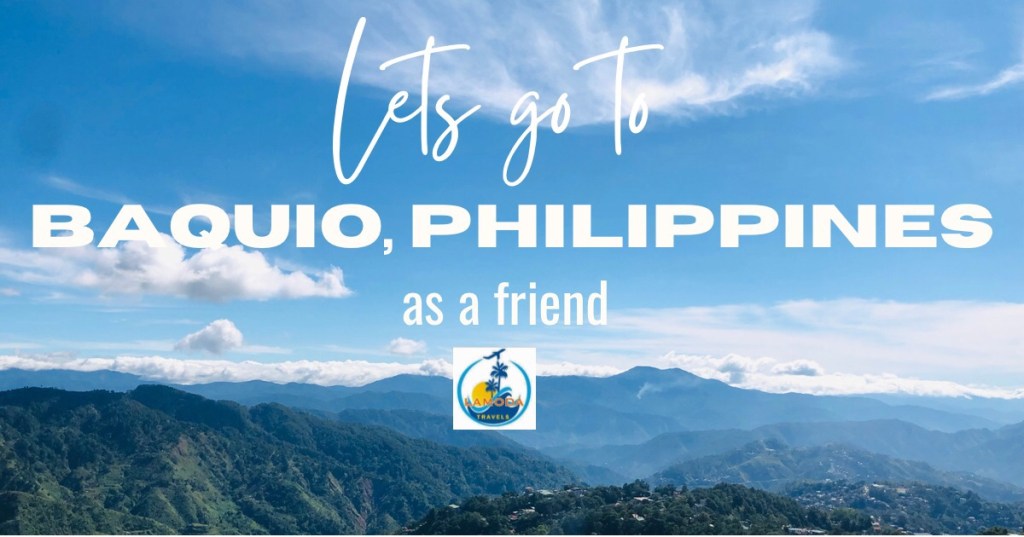
Baguio was established as the hill station of the United States in 1900 in the area of an Ibaloi village known as Kafagway. It is the only United States hill station in Asia. Baguio is classified as a Highly-Urbanized City. The American architect and city planner Daniel H. Burnham designed the city. The city got its name, from bag-iw which means “moss” in Ibaloi — the native language of Benguet province. On September 1, 1909, the Americans declared Baguio a chartered city and Summer Capital of the Philippines. The area now known as Baguio City was first called Kafagway and was occupied by the Kankaney and Ibaloi tribes of the Cordilleras.
Baguio can also be reached by air via Loakan Airport located south of the city.
The Ilocano language is the dominant dialect in the city. but the national language, Filipino, is spoken by almost everyone.
The term Igorot or Ygolote was the term used by Spanish conquerors for mountain people. Igorot, (Tagalog: “Mountaineer”) any of various ethnic groups in the mountains of northern Luzon, Philippines, all of whom keep, or have kept until recently, their traditional religion and way of life. One of the unique aspects of life in the Cordilleras is that the Igorot people are essentially a self-contained society running all aspects of life from businesses to politics.
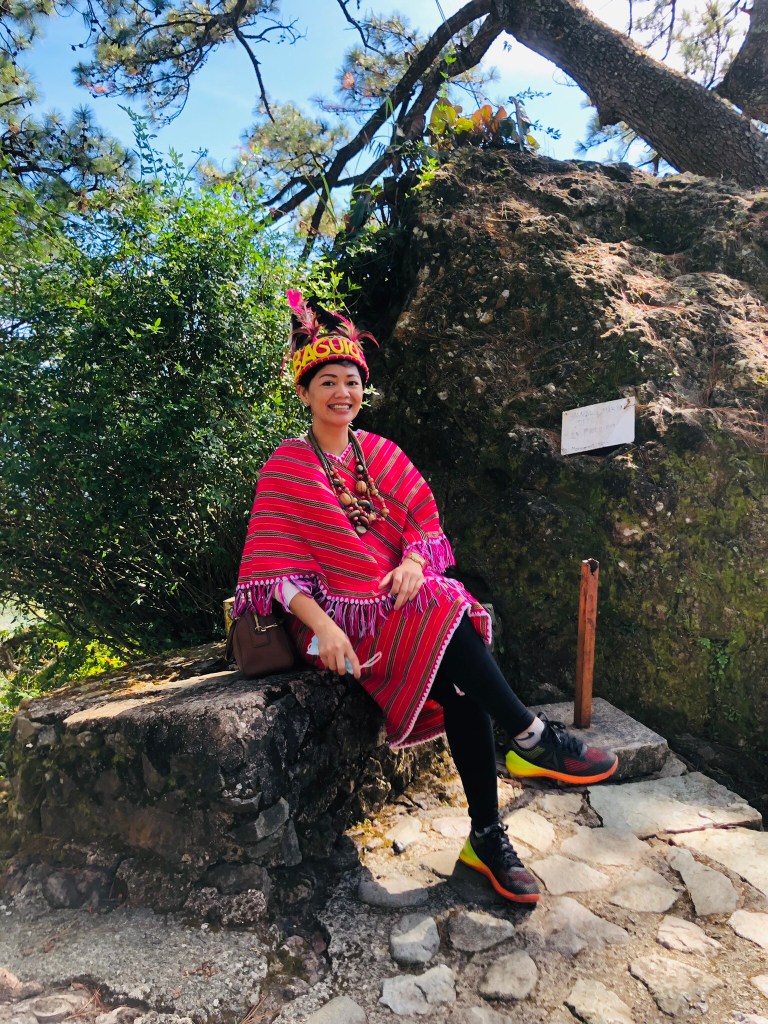
This attire is used by the tribes in Mountain Province of the Cordillera ranges, called Igorots. Igorots are known as mountain hunter and lives in the Mountain Province of the Cordillera.
They have their own unique costume
that makes them distinctive from other tribes in the Philippines.
Igorot costume is very simple.
The men wear long strips of handwoven loin cloth called “wanes”.
The woman wear a kind of wrap-around skirt called “lufid”.
You can rent their costumes for a small fee. and have picture taking
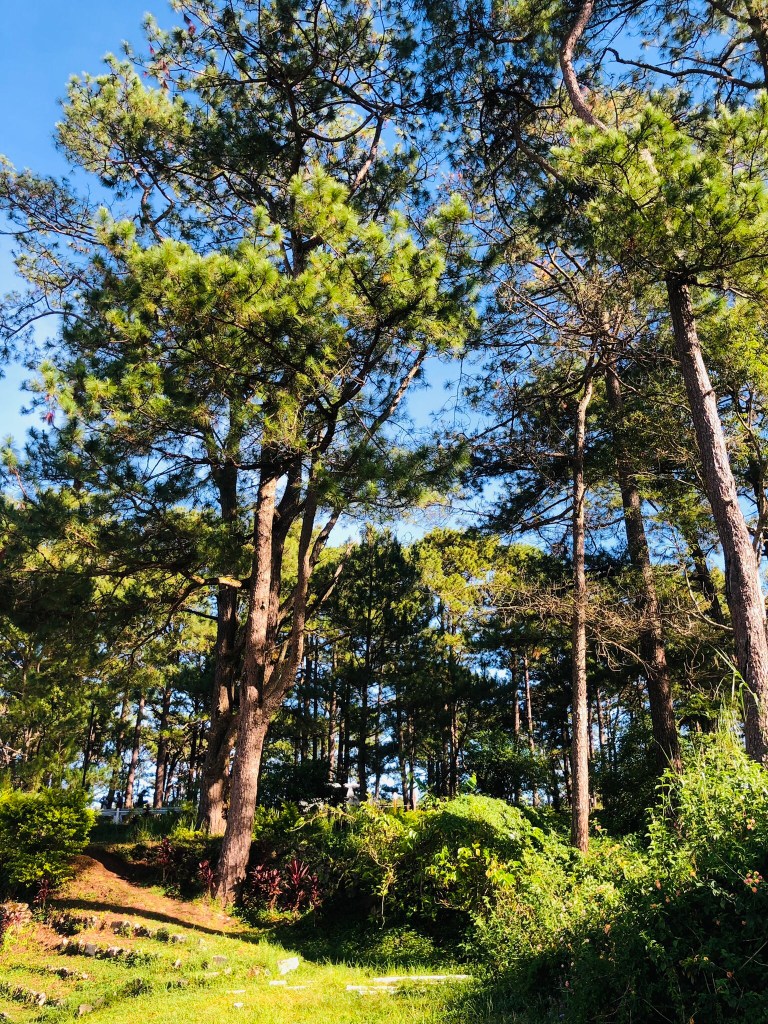
A former military facility, Camp John Hay draws golfers to the Jack Nicklaus-designed course at the Camp John Hay Golf Club, and the Baguio Country Club’s greens and fairways. Pine trees line the Eco Trail, providing shade to joggers and hikers, while Tree Top Adventure caters to thrill-seekers with ziplining courses. The Historical Core contains the Bell House Museum, a well-preserved American Colonial residence.

Burnham Park is named after Daniel Burnham, an American architect who was the city planner for Baguio. He designed the park and the original plans for the city simultaneously, and construction began around 1904.
You can rent bikes and swan boats for a small fee and enjoy the park.
Mines View is one of the oldest and most famous attractions in the City of Pines. The park got its name from the Benguet mountain range where gold, silver, and copper were once quarried. It was a mining area for local diggers before the Americans discovered Baguio City.
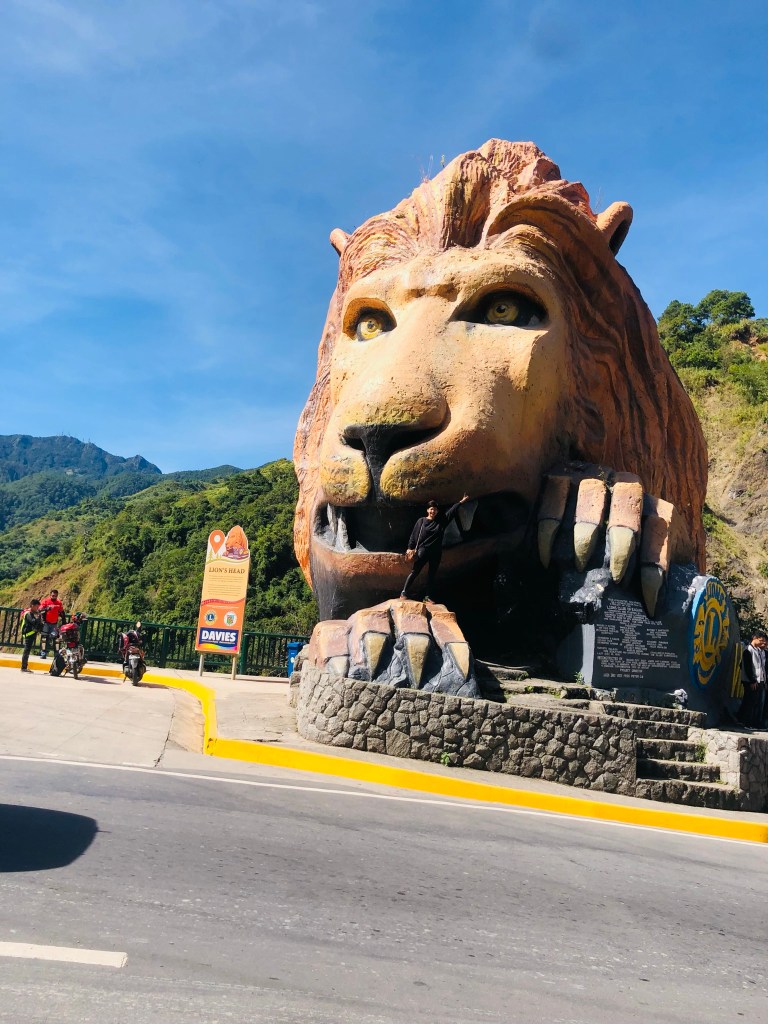
The Lion’s Head was conceived by the Lions of Baguio in the late 1960s and was formally unveiled to the public in 1972, with PDG Luis Lardizabal, then-District Governor Robert John Webber, and then-President Pedro Z. Claravall spearheading the project. It was the brainchild of some of the pioneer members of the Baguio City (Host) Lions Club. They wanted to create a symbol that would establish the presence of the group in the area. Baguio City Lions Club members during the Annual Lions Multiple District Convention.

 LAMODA