History of Intramuros
Intramuros, meaning “within the walls” in Spanish, is a historic walled area within the city of Manila in the Philippines. The construction of Intramuros began in 1571, when Spanish conquistador Miguel Lopez de Legazpi established it as the new capital of the Spanish East Indies. The purpose of this walled city was to protect Spanish colonial settlers from foreign invasions and uprisings from the local inhabitants.
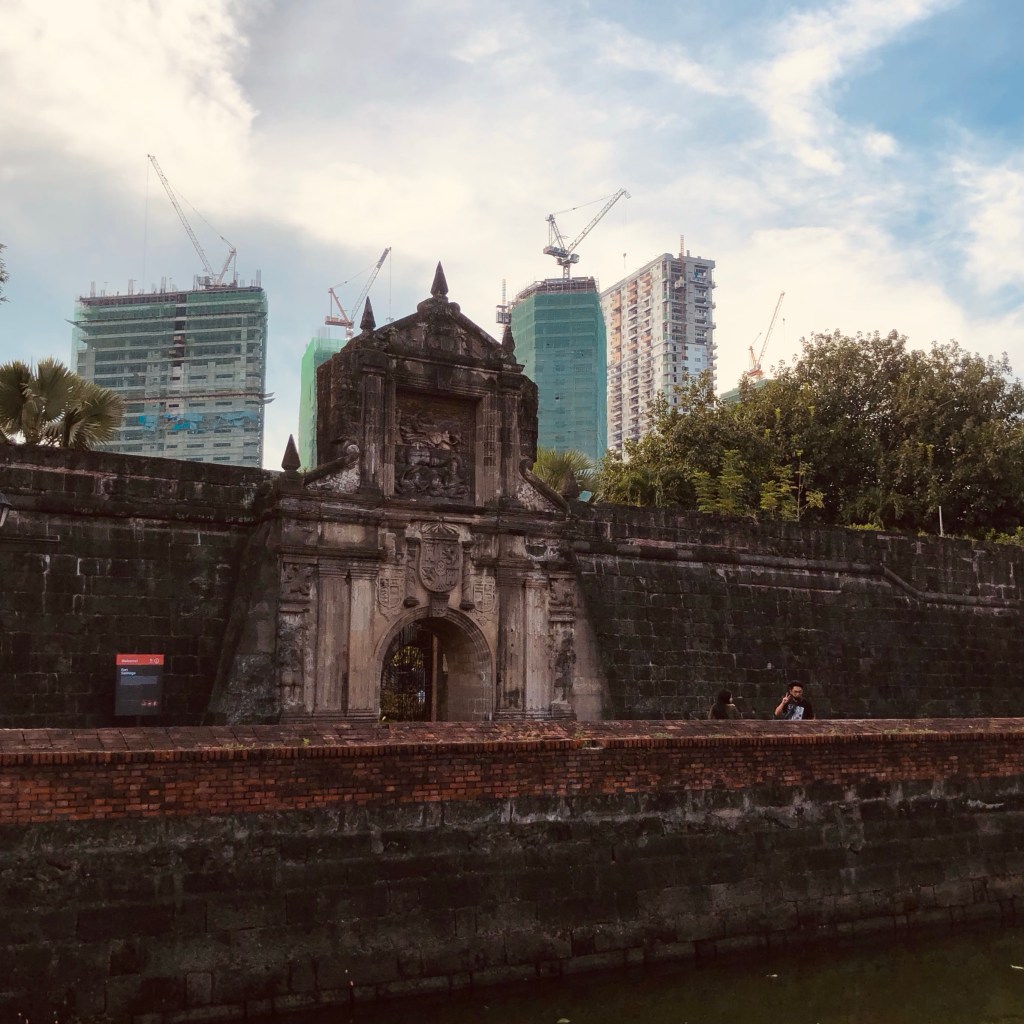
Intramuros quickly became the center of political, religious, and military power in the Philippines, with its walls measuring 2.2 miles long and 22 feet high. The city was home to important structures such as the Manila Cathedral, San Agustin Church, and Fort Santiago, which served as the stronghold of the Spanish military.
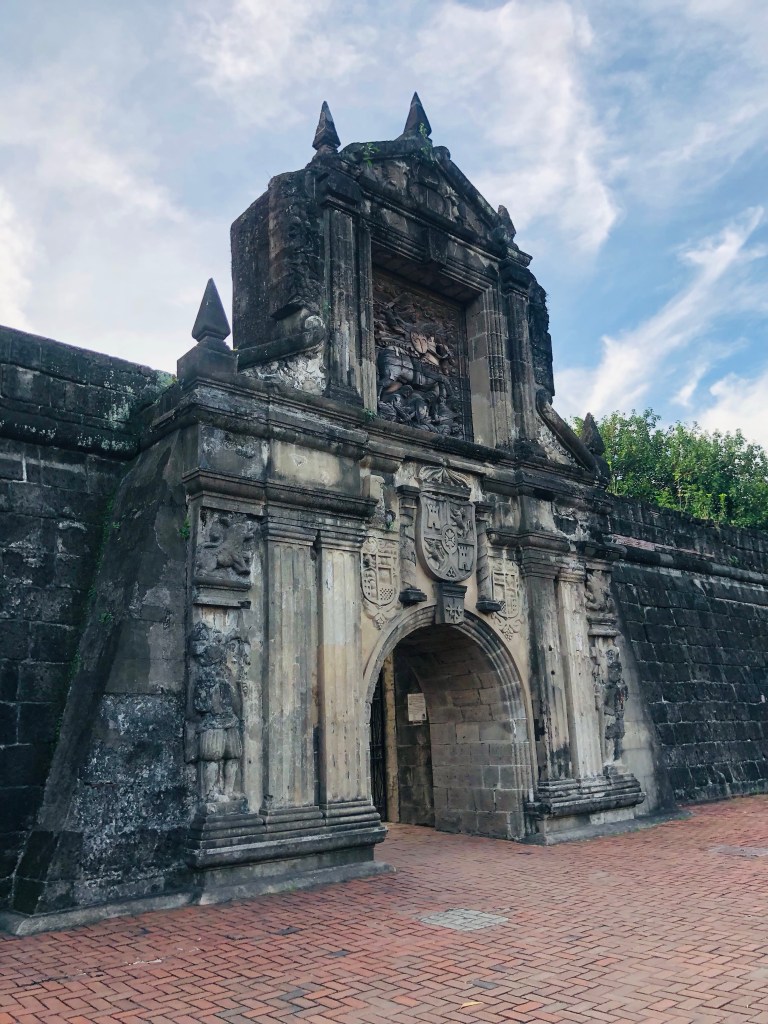
During the Spanish colonial period, Intramuros was the seat of the Spanish colonial government and the center of trade, culture, and education in the Philippines. It was also home to the elite Spanish and mestizo families, who lived in grand houses and palaces within the city walls.
In 1898, the United States took control of the Philippines from Spain after the Spanish-American War, and Intramuros suffered heavy damage during the Battle of Manila in 1899. Many of its buildings were destroyed, and the walled city’s strategic and economic importance declined.
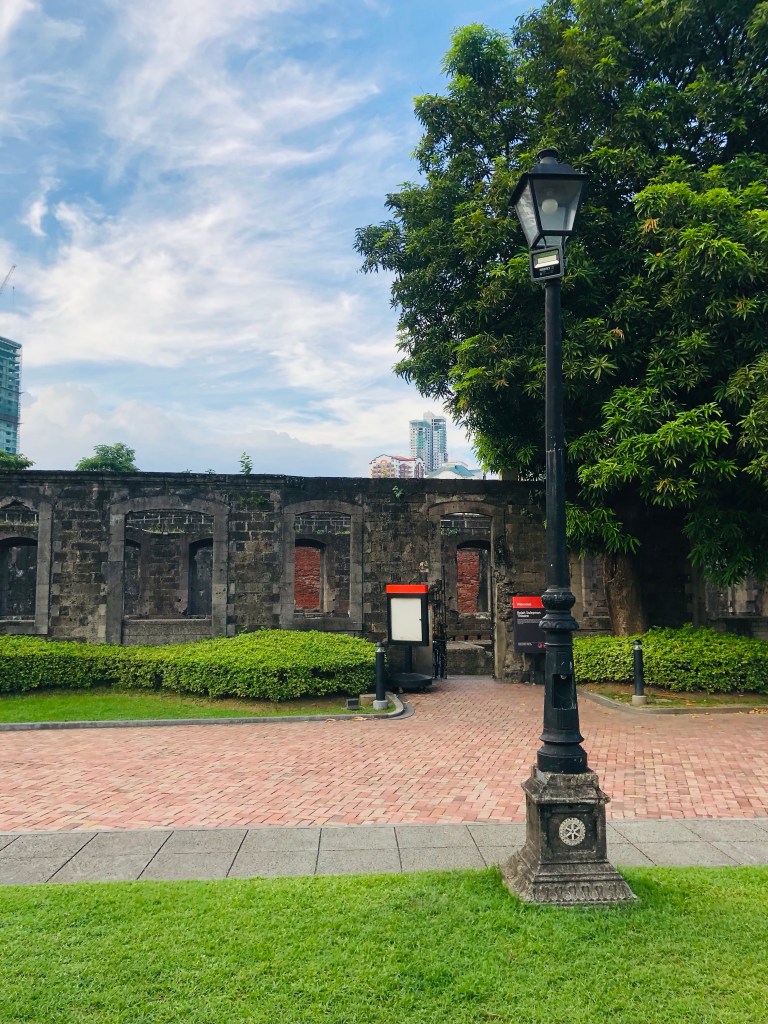
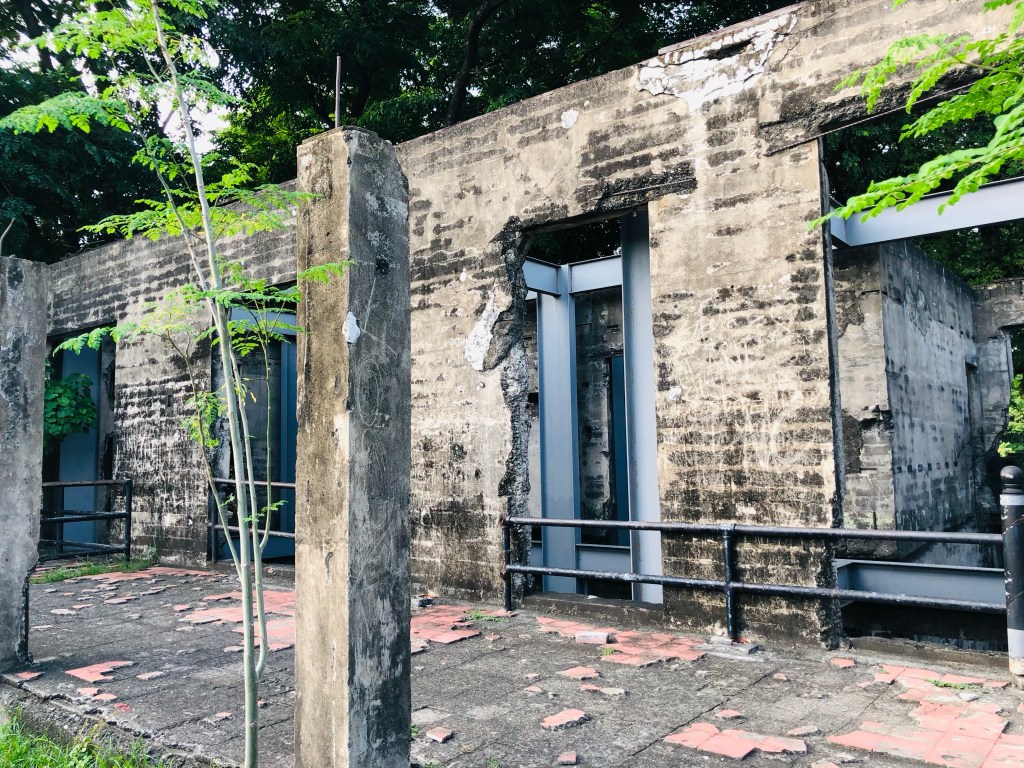
During World War II, Intramuros was heavily bombed by the Japanese forces, which caused further destruction to the historic buildings and infrastructure. After the war, efforts were made to reconstruct and restore some of the important structures within the walled city.
Today, Intramuros is a popular tourist destination, known for its well-preserved colonial-era architecture, cobblestone streets, and historic sites. It is also home to several educational institutions, including Colegio de San Juan de Letran and the Pamantasan ng Lungsod ng Maynila.
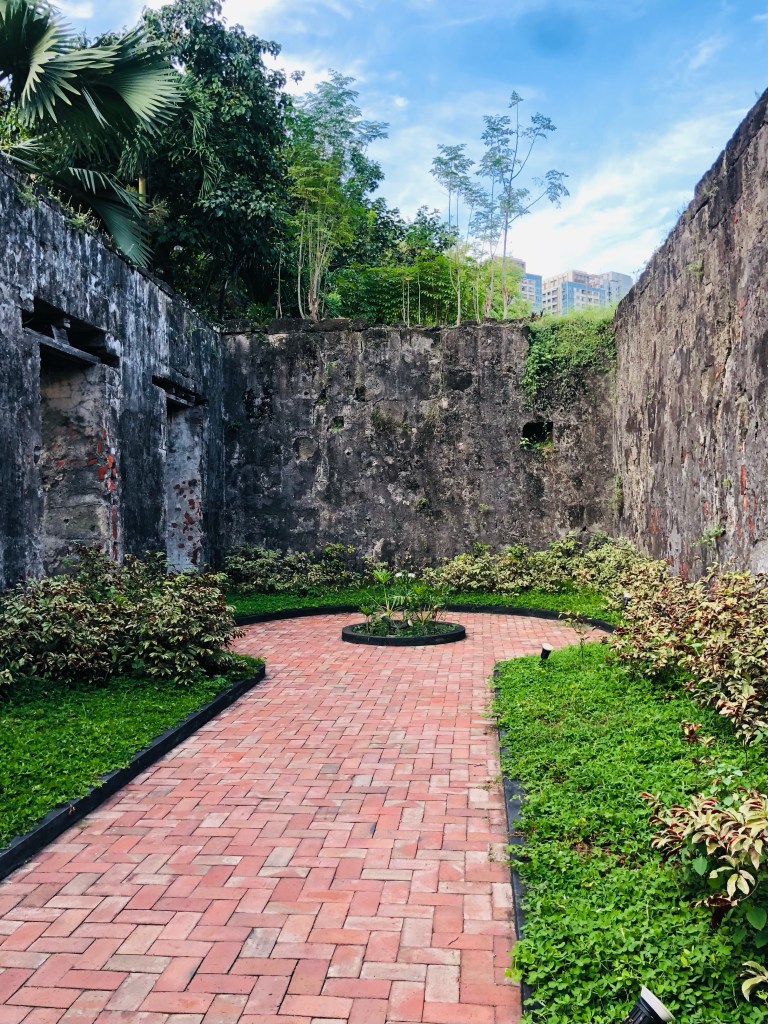
In 1979, Intramuros was designated as a National Historical Landmark and a National Cultural Treasure by the National Historical Commission of the Philippines. The walled city continues to be an important symbol of the Philippines’ colonial history and heritage.
Visit us and book your travel plans

 LAMODA