The History of the Philippines in short history

The history of the Philippines dates back to around 30,000 years ago when the first humans arrived in the archipelago. They were hunter-gatherers who eventually settled into farming communities. The first known civilization in the Philippines was the Kingdom of Ma-i, which had trading relations with China and other Southeast Asian countries.

In the 14th century, several Islamic states were established in the southern islands, bringing Islam to the Philippines. The Spanish arrived in 1521, led by Ferdinand Magellan, and claimed the islands for Spain. However, it wasn’t until 1565 that the Spanish established a permanent settlement in Cebu, which marked the start of Spanish colonization.

Under Spanish rule, the Philippines were part of the vast Spanish Empire and became an important trading center for the Manila-Acapulco Galleon Trade. This trade route connected Asia with the Americas and played a significant role in the global economy.

Throughout the Spanish colonial period (1565-1898), the Philippines experienced cultural, social, and economic changes due to Spanish influence. Christianity, primarily Roman Catholicism, became the dominant religion, and Spanish language and culture became prevalent. The Filipinos, however, were subject to forced labor, heavy taxation, and restrictions on their rights and freedoms.

The Filipino people began to demand reforms and independence in the late 19th century, leading to the birth of the Philippine Revolution in 1896. On June 12, 1898, the Philippines declared independence from Spain, but it was not recognized by the United States, which had just defeated Spain in the Spanish-American War.

The United States subsequently acquired the Philippines as part of its territorial expansion. The Filipino-American War broke out in 1899, with Filipino revolutionaries resisting American control. The war continued until 1902 when the Philippines officially became an American colony.

During the American period, efforts were made to modernize the Philippines, such as the construction of infrastructure, education reform, and improvement in healthcare. However, Filipinos continued to push for independence, which was eventually granted on July 4, 1946.

After gaining independence, the Philippines faced numerous challenges, including political instability and economic struggles. The country experienced several changes in leadership, periods of dictatorship, and efforts to address corruption and poverty.

In recent years, the Philippines has made significant progress in various aspects, but still faces challenges such as poverty, unemployment, and territorial disputes with neighboring countries.

Today, the Philippines is a democratic republic with a diverse culture and a growing economy.
Tacloban Leyte, Philippines

Just this month of November of 2023, I embarked on a trip to Tacloban Leyte, a province situated in the eastern part of the Philippines. I had heard so much about the natural beauty and rich history of this region and was eager to explore it for myself.

As I arrived in Tacloban, I was immediately struck by the warm and welcoming atmosphere of the city. The people were friendly, and the streets were alive with bustling markets and vibrant colors. I was ready to immerse myself in the local culture and uncover the hidden gems of the area.

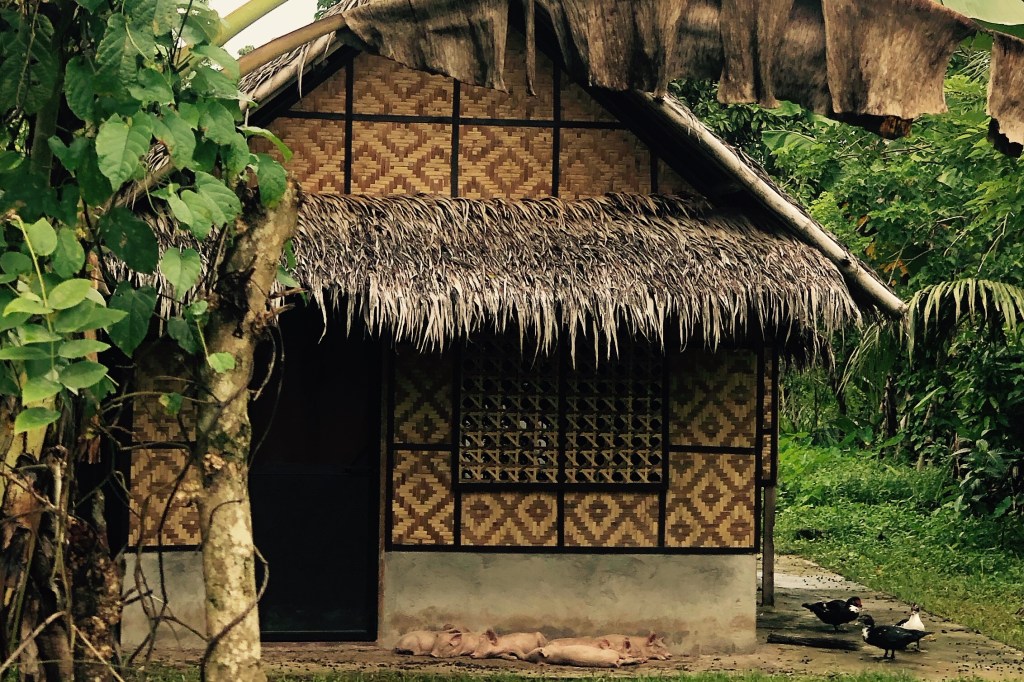
Local houses
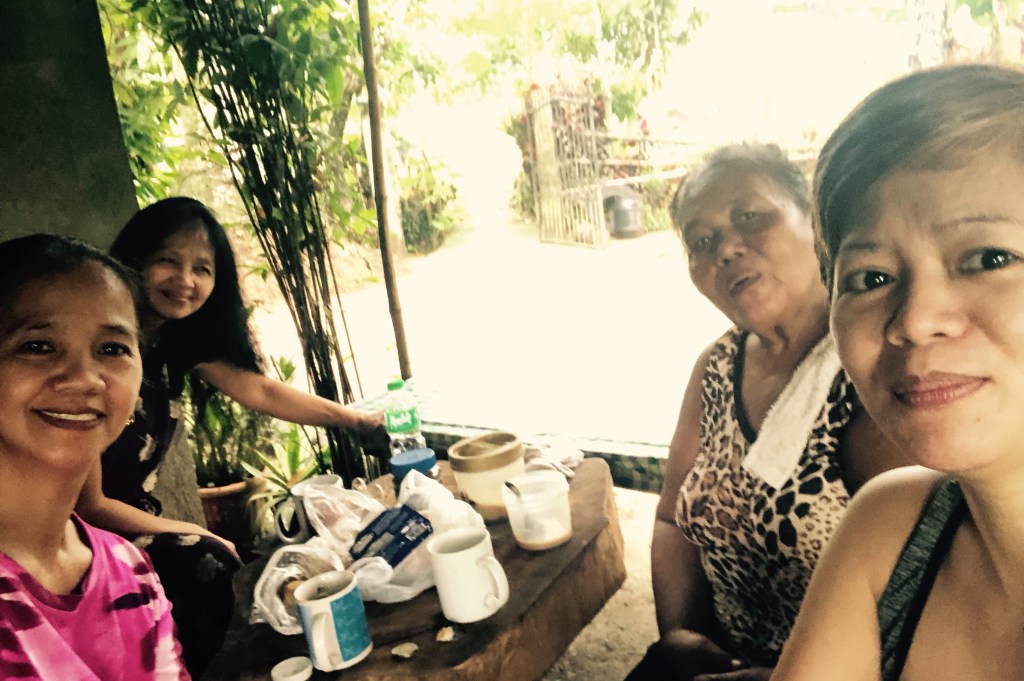
Local People

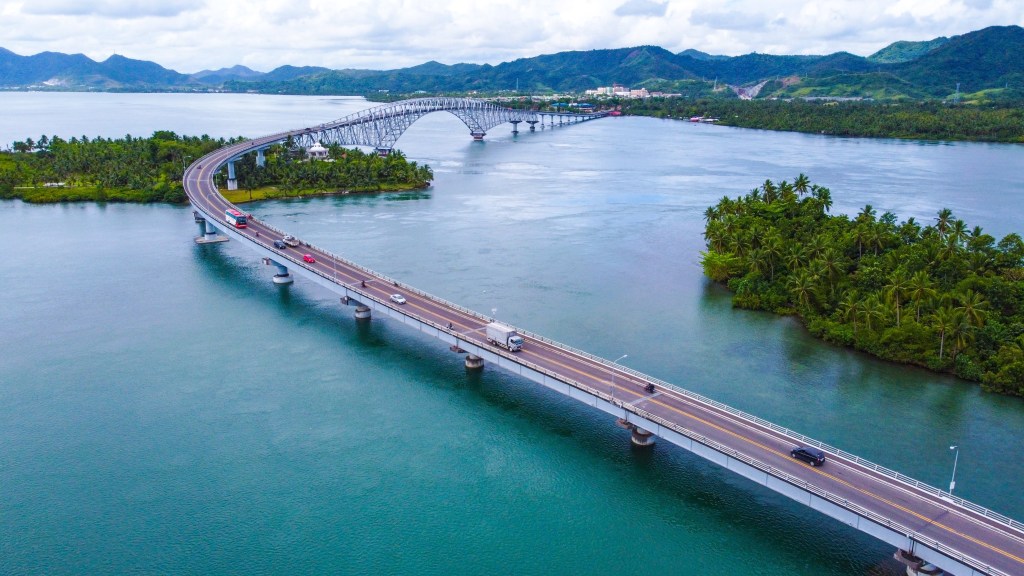
My first stop was the San Juanico Bridge, which connects the islands of Leyte and Samar. The bridge offered stunning panoramic views of the surrounding landscape, and I was in awe of the sheer magnificence of the structure.

Pixel.com

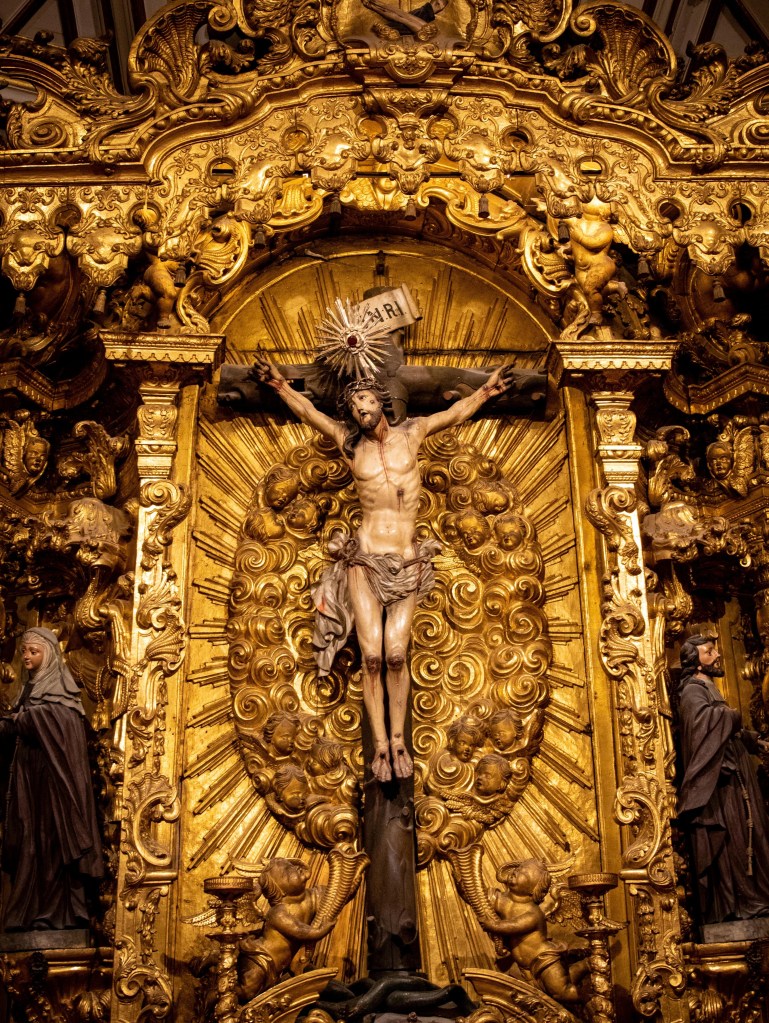
Next, I ventured to the Sto. Niño Shrine and Heritage Museum, a breathtaking architectural wonder that showcased the rich heritage of the region. The intricate design and historical artifacts left me mesmerized, and I spent hours delving into the stories of the past.

Pixel.com

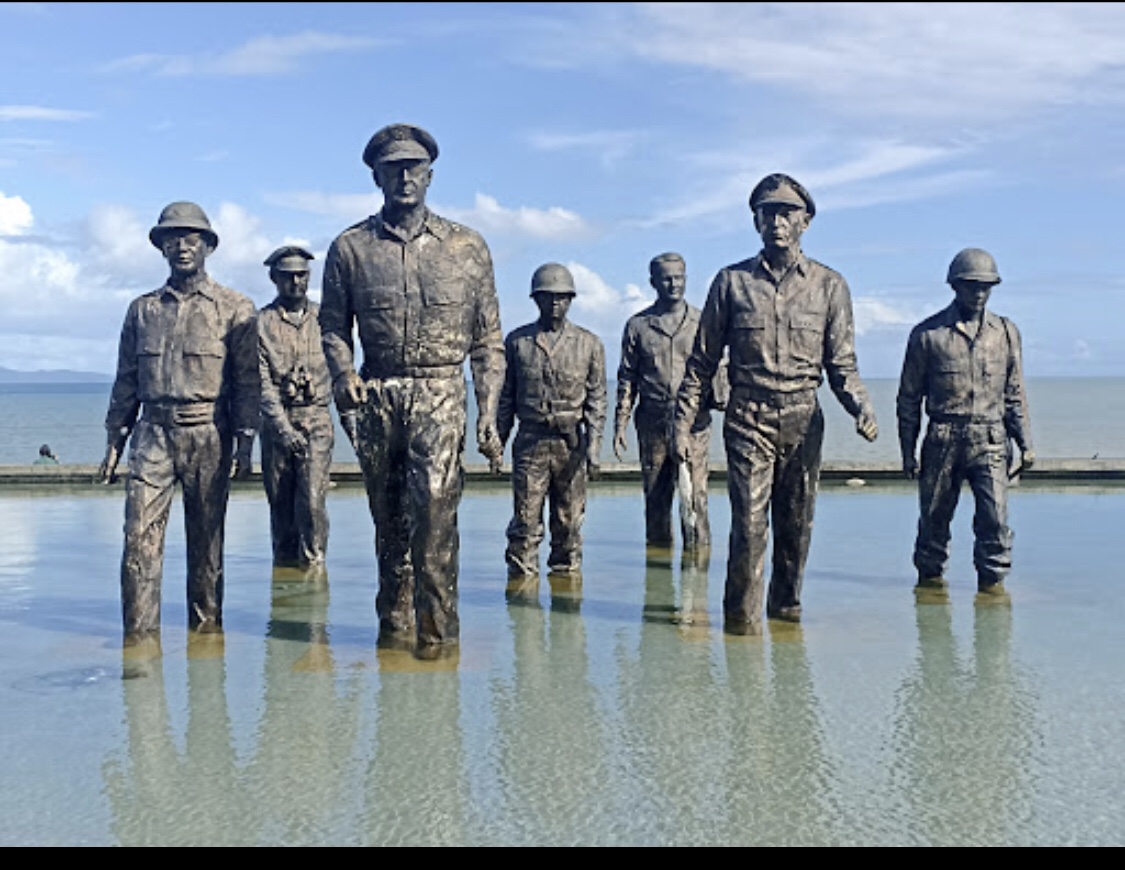
I also made sure to we pay a quick visit to the MacArthur Landing Memorial National Park, which commemorates the return of General Douglas MacArthur to the Philippines during World War II. Standing at the site where history was made, I felt a profound sense of reverence and gratitude for the sacrifices made by so many brave individuals.

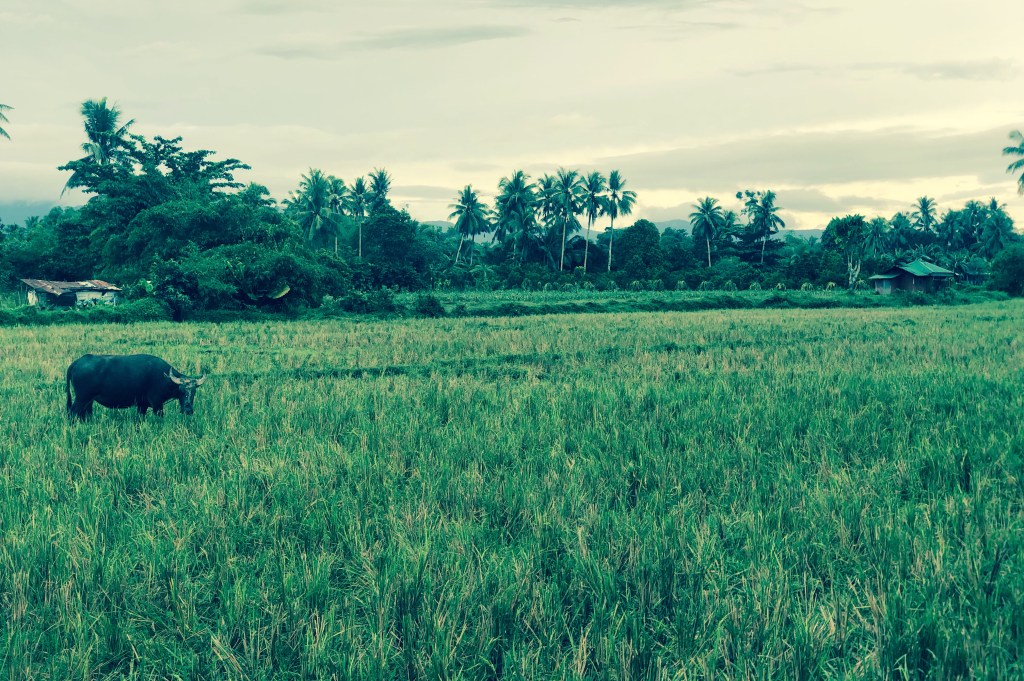
But perhaps the most memorable part of my trip was the opportunity to experience the natural wonders of Tacloban. I spent a day exploring the countryside and agricultural land.

Rice Field

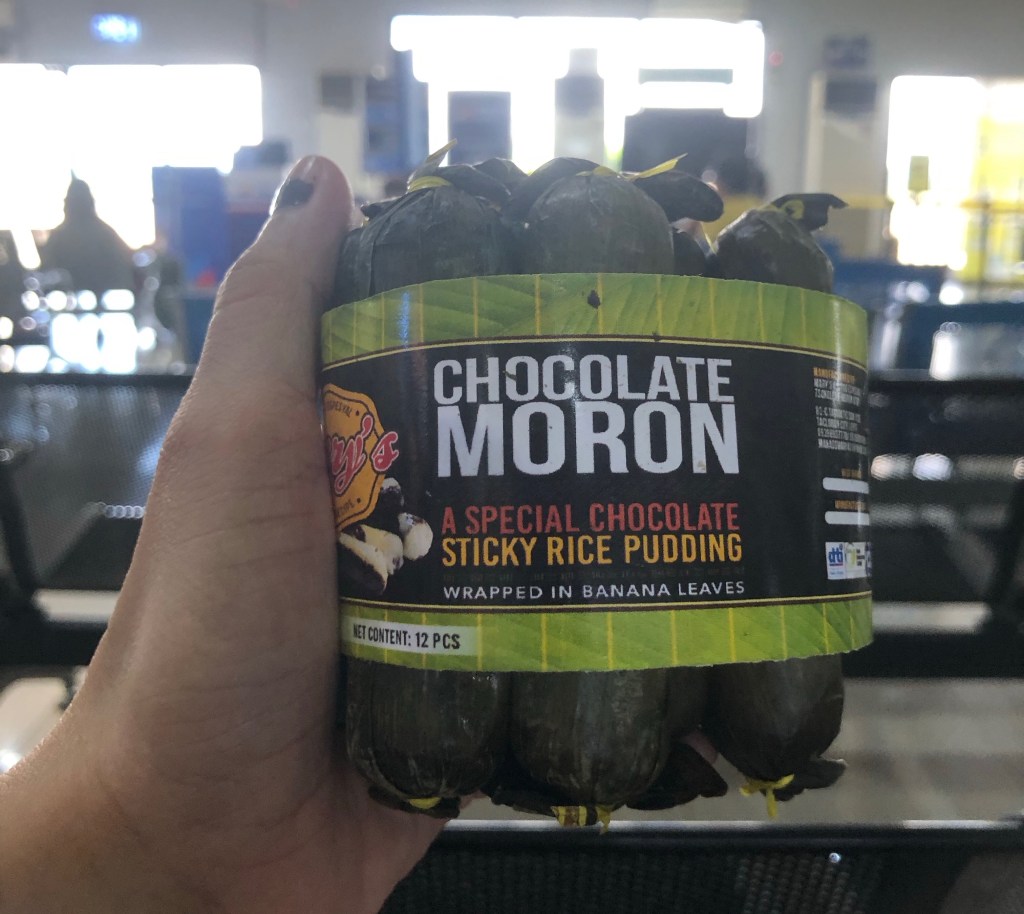
As my journey came to an end, I realized that my time in Tacloban had left an indelible mark on my heart. The beauty of the region, the warmth of its people, and the rich tapestry of its history all combined to create an unforgettable experience. As I bid farewell to Tacloban Leyte, I knew that I would carry the memories of my trip with me for a lifetime so I brought a little bit of joy of Chocolate Moron a locally made sticky rice with chocolate suprise filling.

Lamoda Travels Websites

lamoda-travels

Intramuros Manila Philippines

History of Intramuros

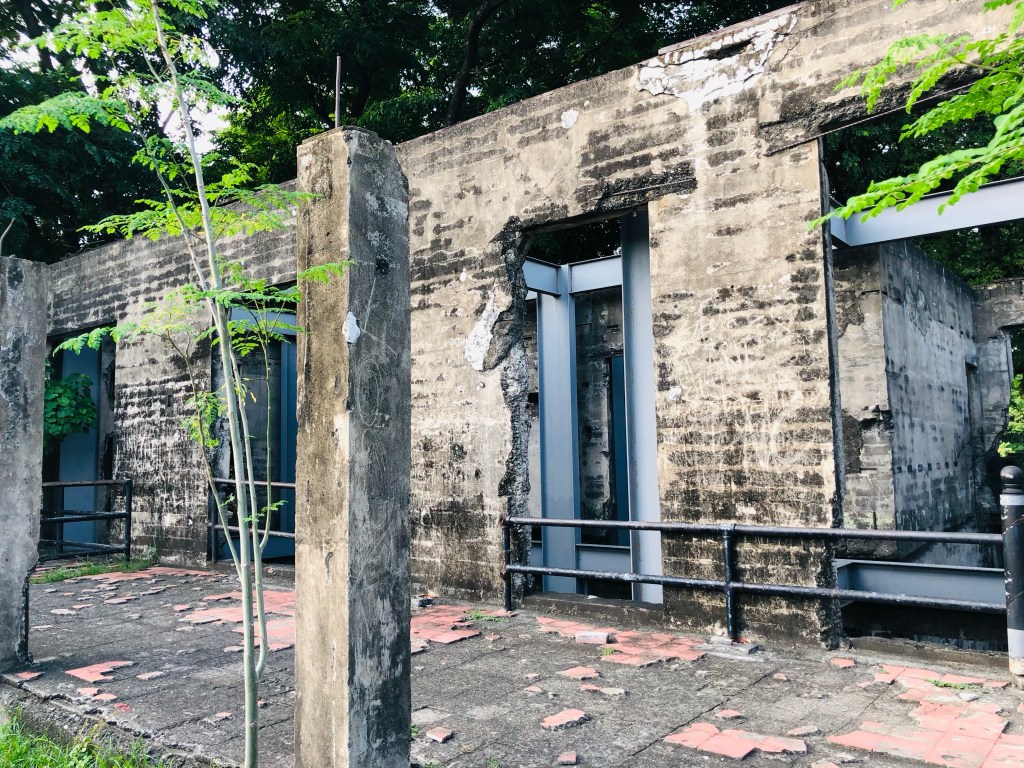
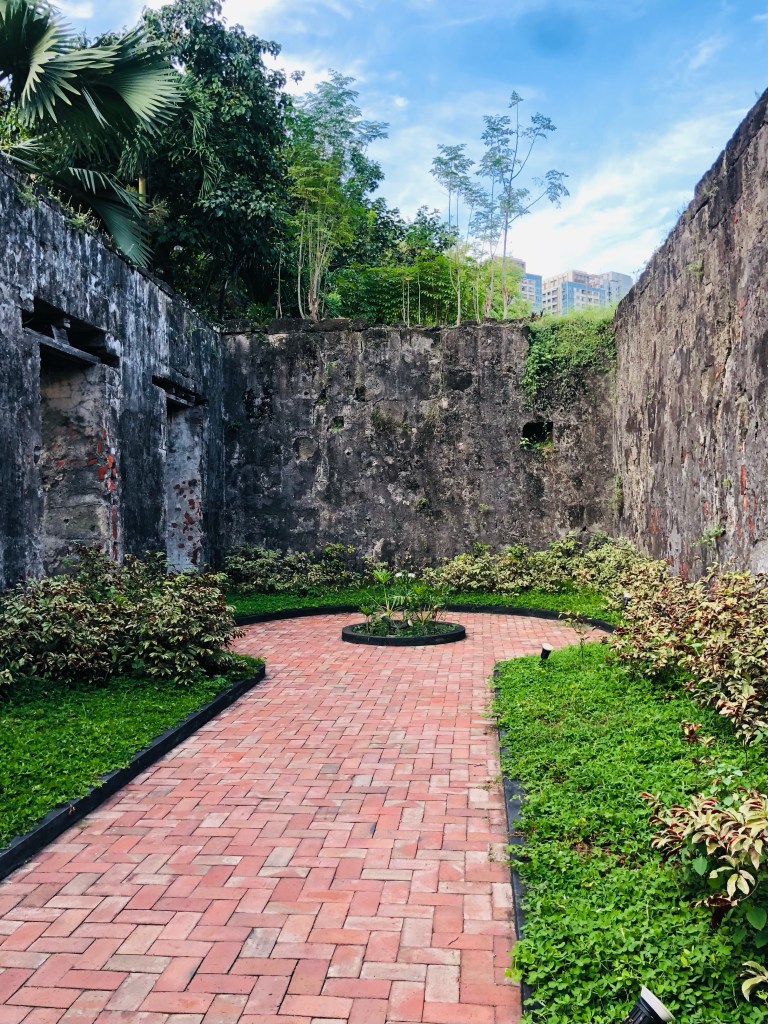
Intramuros, meaning “within the walls” in Spanish, is a historic walled area within the city of Manila in the Philippines. The construction of Intramuros began in 1571, when Spanish conquistador Miguel Lopez de Legazpi established it as the new capital of the Spanish East Indies. The purpose of this walled city was to protect Spanish colonial settlers from foreign invasions and uprisings from the local inhabitants.

Within the walls

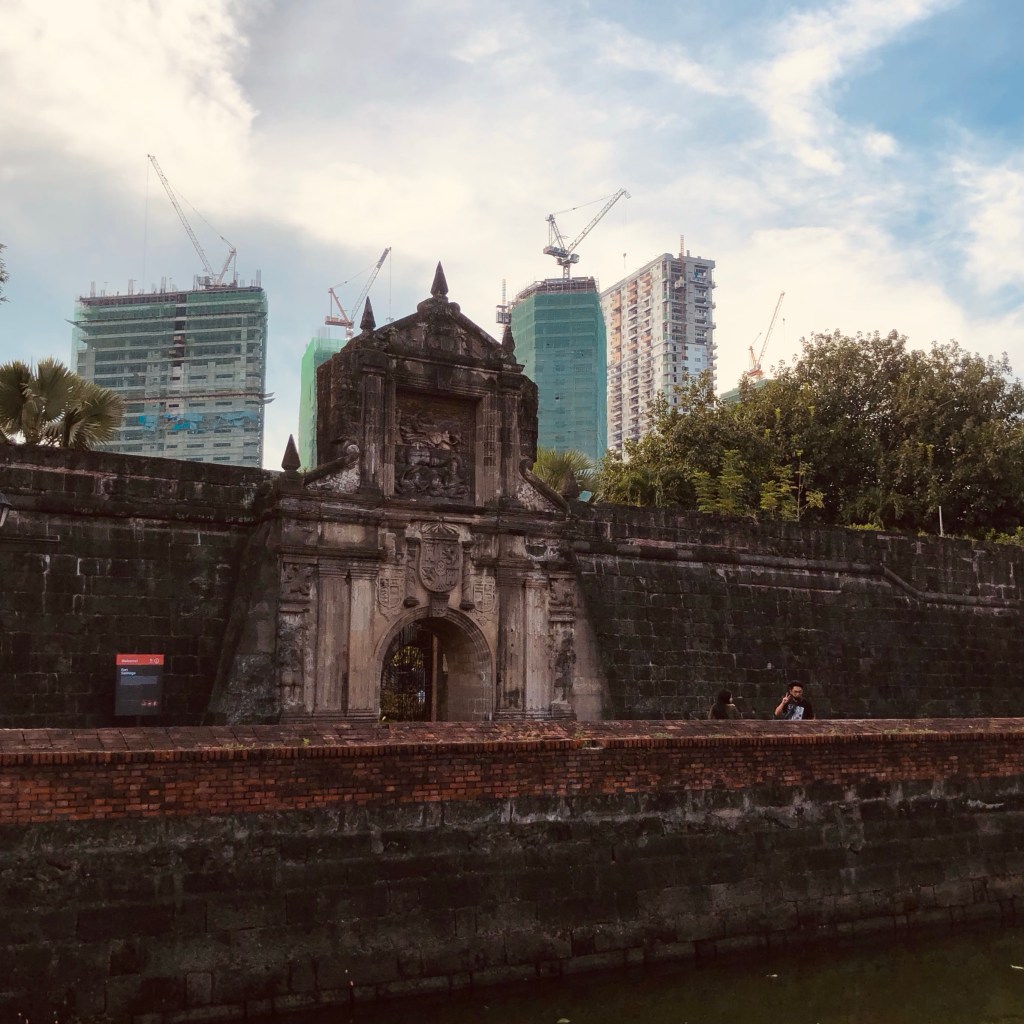
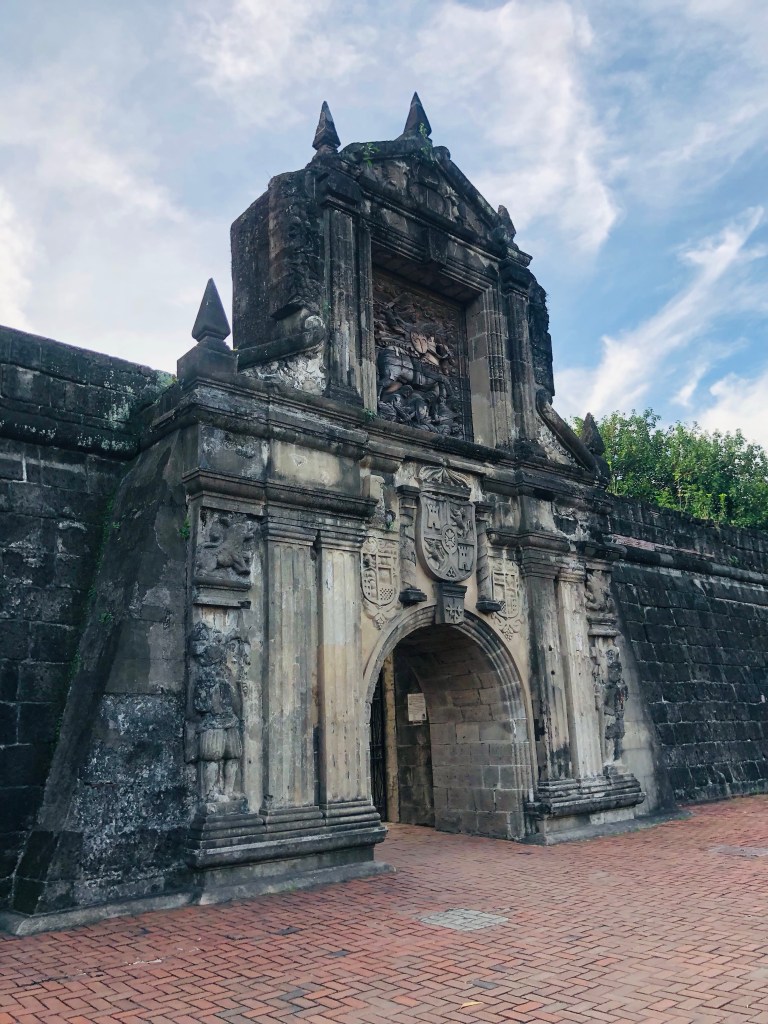
Intramuros quickly became the center of political, religious, and military power in the Philippines, with its walls measuring 2.2 miles long and 22 feet high. The city was home to important structures such as the Manila Cathedral, San Agustin Church, and Fort Santiago, which served as the stronghold of the Spanish military.

During the Spanish colonial period, Intramuros was the seat of the Spanish colonial government and the center of trade, culture, and education in the Philippines. It was also home to the elite Spanish and mestizo families, who lived in grand houses and palaces within the city walls.

In 1898, the United States took control of the Philippines from Spain after the Spanish-American War, and Intramuros suffered heavy damage during the Battle of Manila in 1899. Many of its buildings were destroyed, and the walled city’s strategic and economic importance declined.

During World War II, Intramuros was heavily bombed by the Japanese forces, which caused further destruction to the historic buildings and infrastructure. After the war, efforts were made to reconstruct and restore some of the important structures within the walled city.

Today, Intramuros is a popular tourist destination, known for its well-preserved colonial-era architecture, cobblestone streets, and historic sites. It is also home to several educational institutions, including Colegio de San Juan de Letran and the Pamantasan ng Lungsod ng Maynila.

In 1979, Intramuros was designated as a National Historical Landmark and a National Cultural Treasure by the National Historical Commission of the Philippines. The walled city continues to be an important symbol of the Philippines’ colonial history and heritage.

Visit us and book your travel plans

Lamoda Travels PH

Lamoda Travels PH

Philippines National Anthropology Museum

Lamoda Travel PH

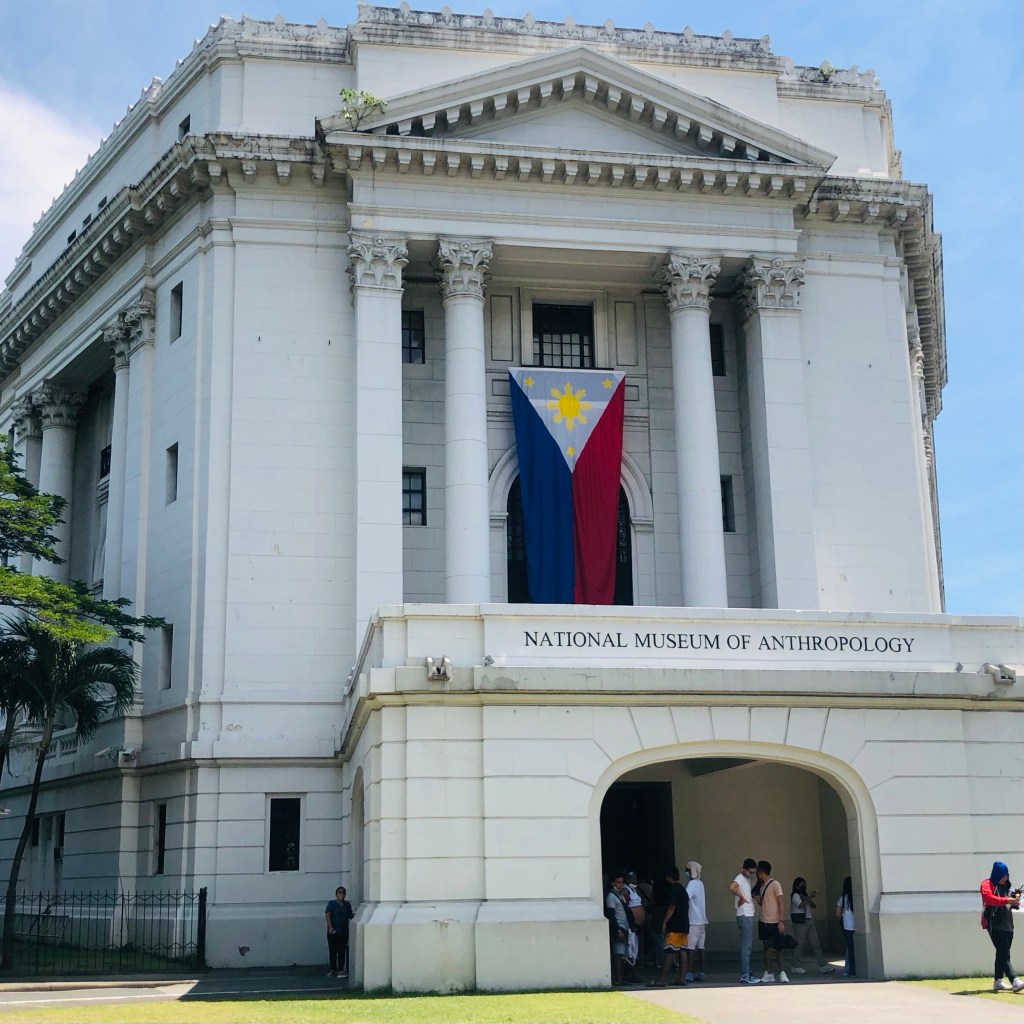
My first time visiting a museum in the Philippines. Entrance is free, but you have to leave backpacks in the storage room and water is not allowed but it’s also free). Spread over four floors, this museum gives a very good overview of Filipino culture, customs and associated historical events. It is located at the center of Manila nearby the biggest Luneta park, Intramuros, manila bay and the many museums.

The museum of Anthropology was formerly knows as The national art gallery

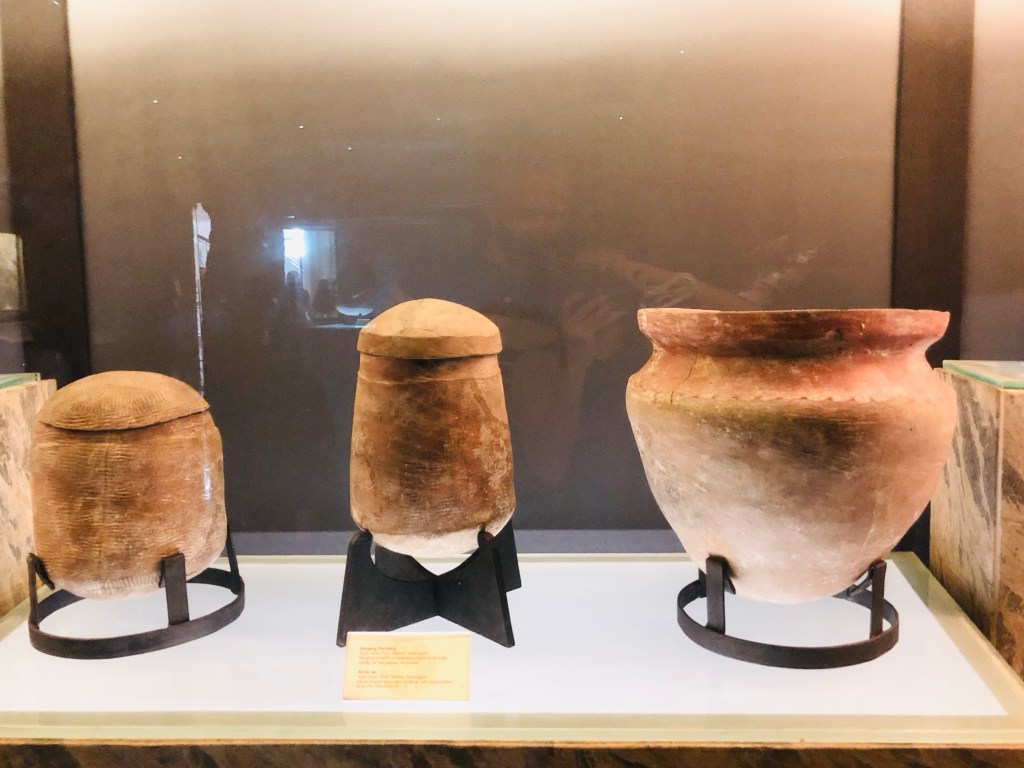
established in permanent collection contains around 10,000 items, including cultural materials from the different peoples of the Philippines ranging from baskets, weapons, textiles, and wooden objects to various religious, economic and agricultural tools and implements, musical instruments and personal ornaments and adornments.

Here are just some of the most fascinating yet often overlooked treasures from our country’s flagship museum:

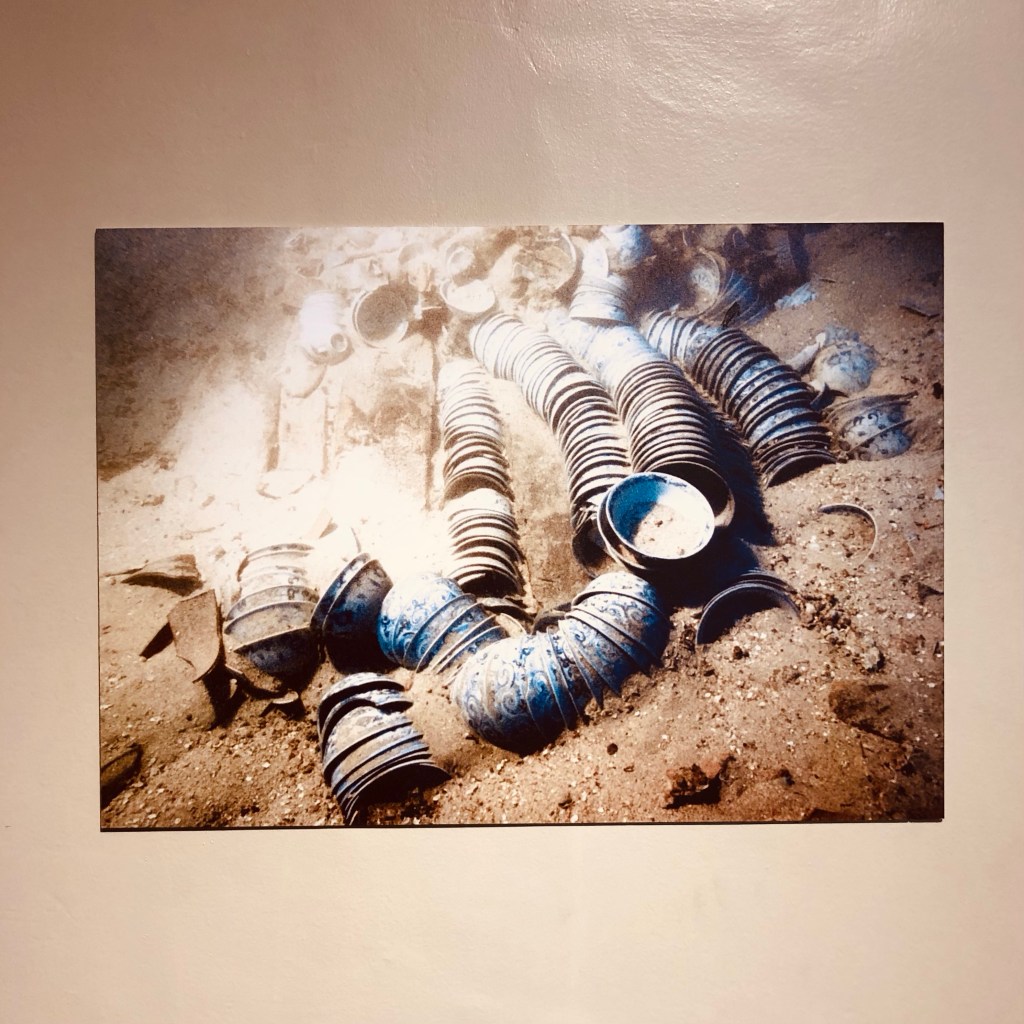
The Blue and White Porcelains ivory and gold rosary (The crucifix is mounted on two gold rods)

One of the most interesting highlights of the San Diego gallery is the huge collection of jars. These jars are some of the recovered artifacts from the wreck of San Diego and most of them are being used as trade items

A portion of the gallery features a huge collection of jars of different types including Spanish, Siamese, Martaban and Dragon Jars. Each varies in terms of their designs and materials used. It was really nice that they were able to restore and preserve these precious items with huge historical significance.

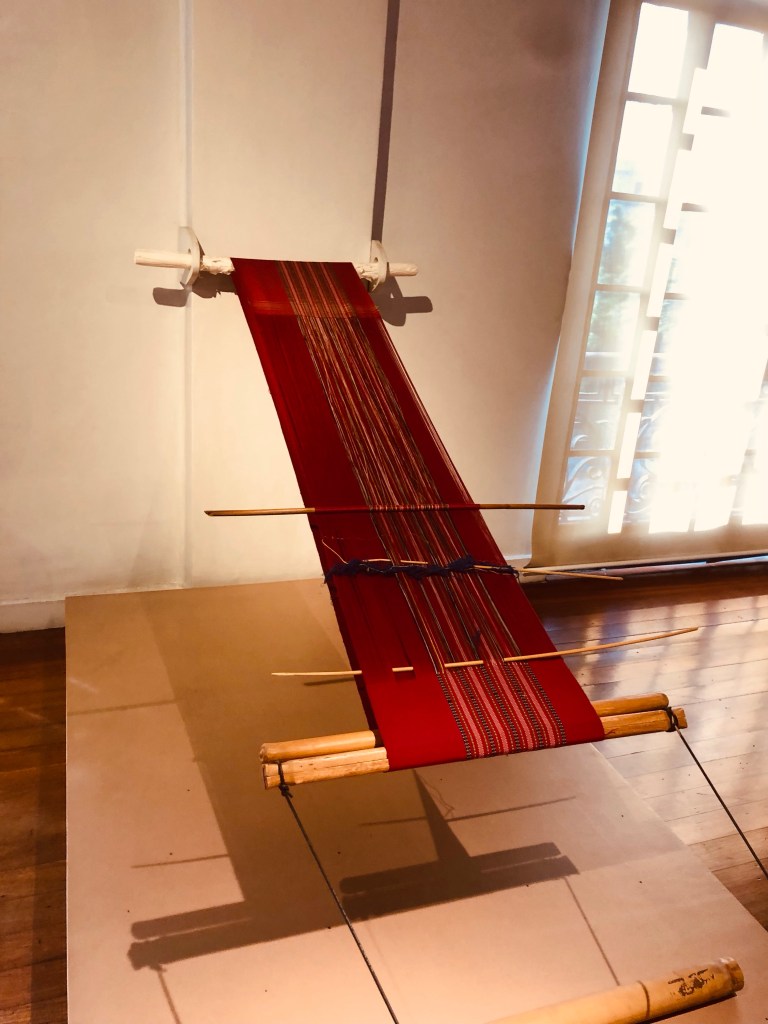
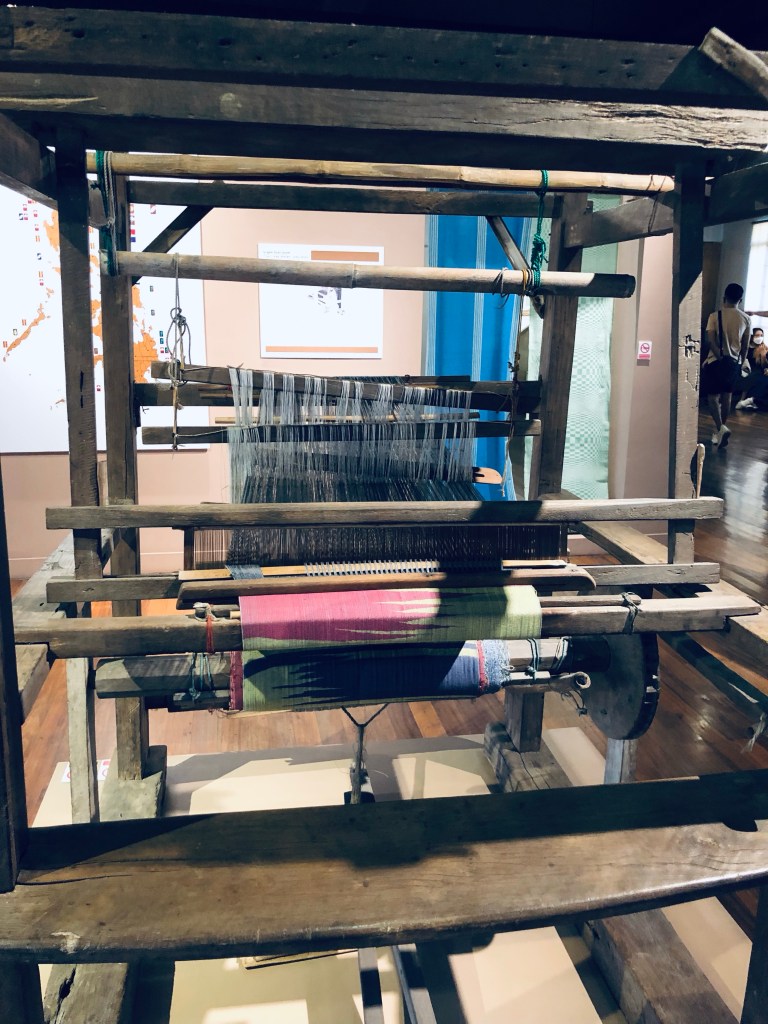
And the traditional textiles produced by various indigenous and cultural communities in the Philippines.

It tells the story of how these textiles were made, the materials in making the cloth, and the technologies they used. On display are different traditional textiles, looms, natural fibers, and dyes. The gallery features a death blanket called kinuttiyan used by the highest members of the Ifugao community known as the kadangyan and the Banton cloth fragments, the oldest textile collection of the NMP and a National Cultural Treasure.

Philippines National Museum of Anthropology/

National Museum of Anthropology
(02) 8298 1100

Lamoda Travel PH

My MRT Experience after 10 years.

Manila Metro Rail Transit

10 years since being able to ride the Manila Metro Rail Transits or MRT of the Philippines.

What has changed after all these years? Come and join me on my train ride.

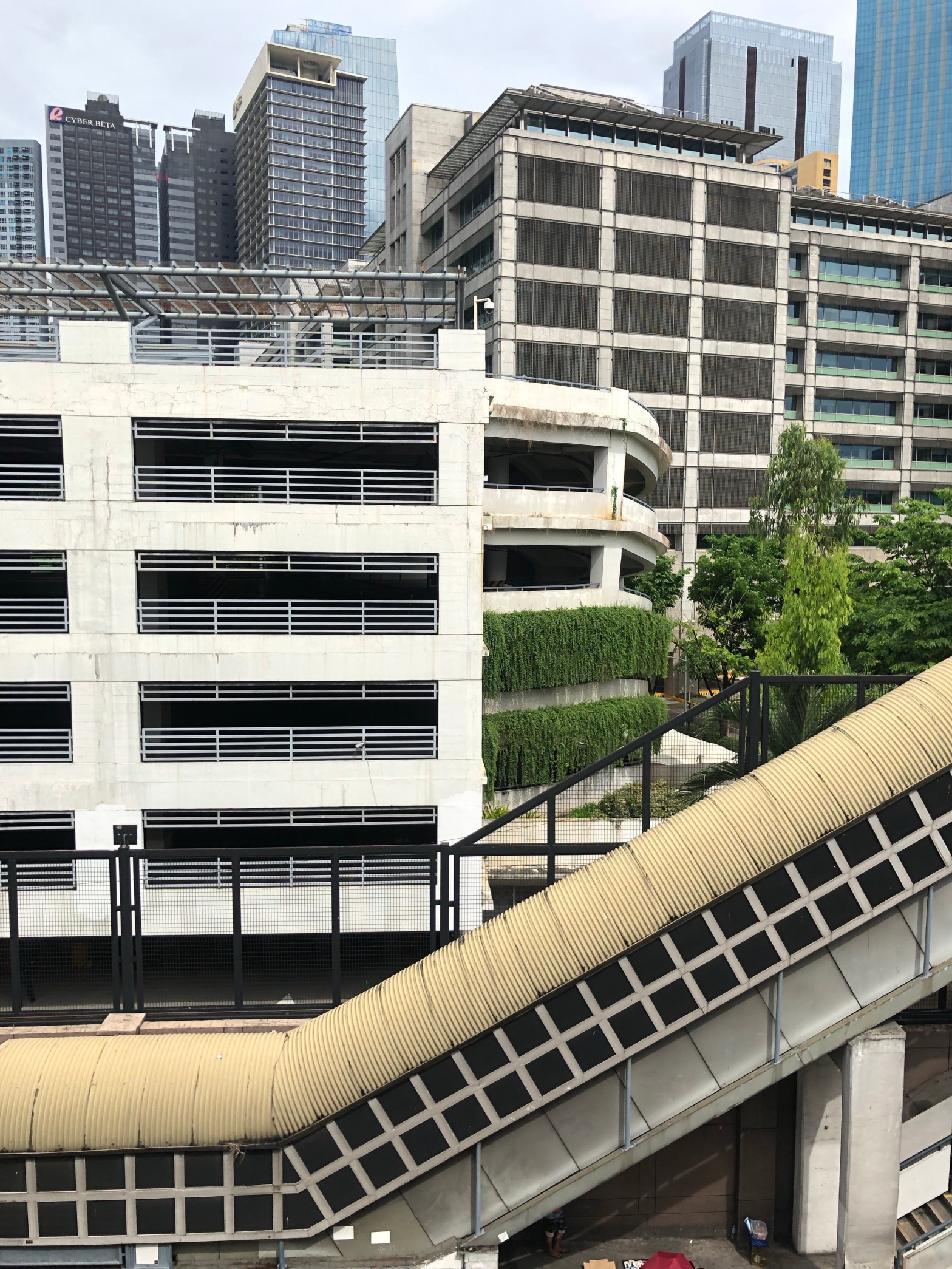
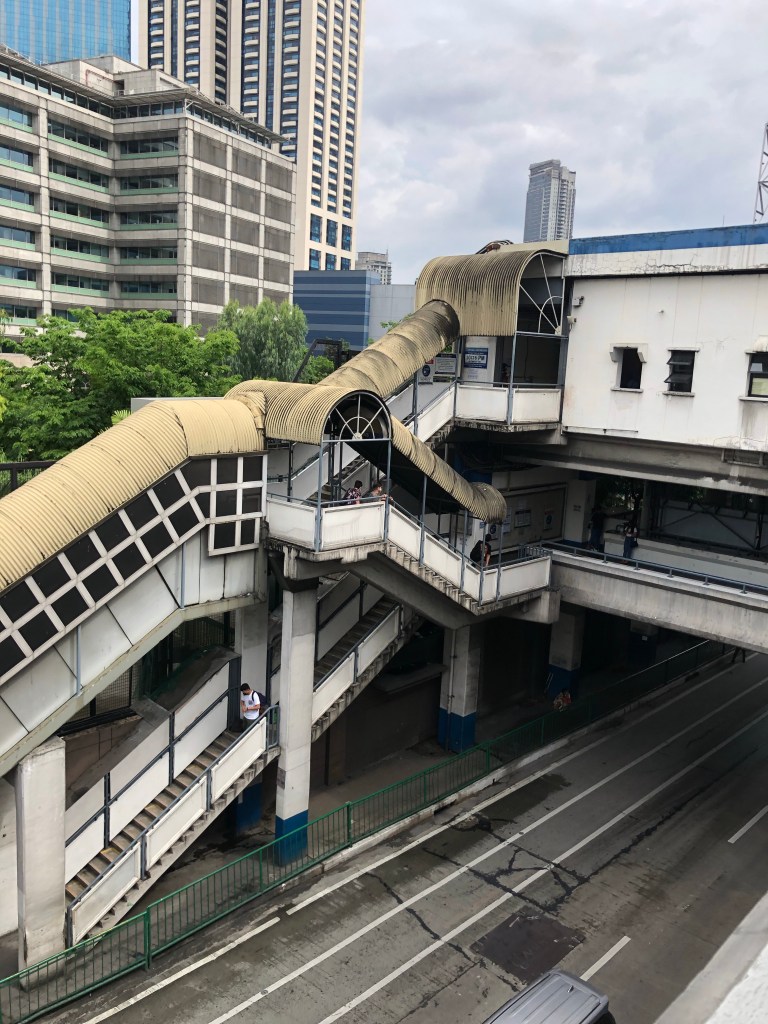
First, I had to clamber through the high building to get to the station and I decided not to take the elevator because of the pandemic so I took the stairs. At the elevation of the stairs, I was catching up with my breathing and felt like I workout for half an hour.

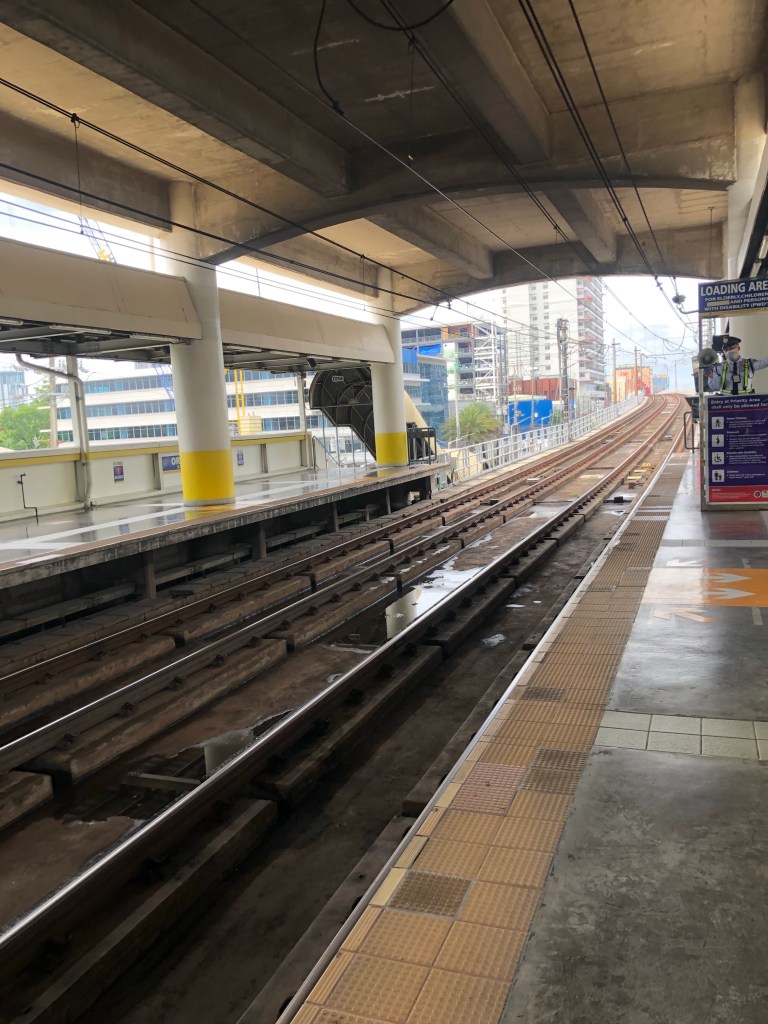
Finally, I reached the end of the stairs and find the station. To start my train ride, I need a ticket. Tickets are sold at the metro station they have different options for buying tickets, one is the machine where you can buy self-service tickets similar to overseas which is common but there are very few machines available and most tickets can be purchased at the station booth where you can reload your card, pay a ticket in cash and credit. I wanted to buy my ticket at the machine to do the self-service and was fortunate to know as the security guard approached telling me that the MRT ride is free for the whole month of April, and they handed me a card to get on the train.

Here’s the link to why it’s a free ride and the regular ticket fare price.

MRT-3 Free Ride

MRT ticket fare

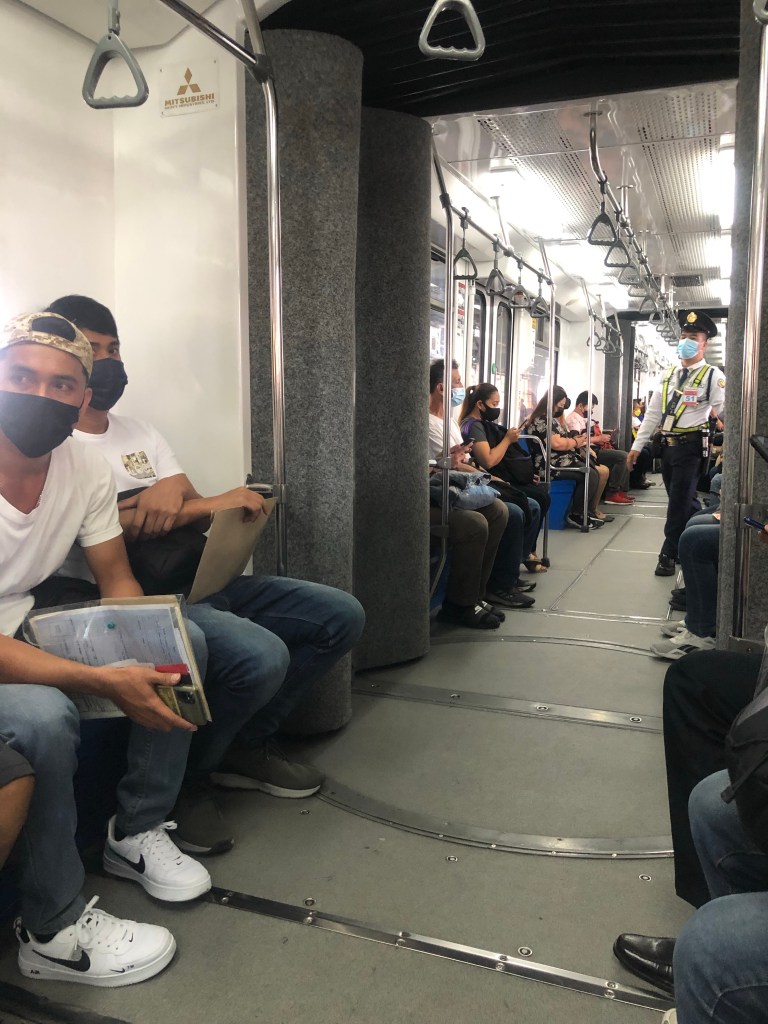
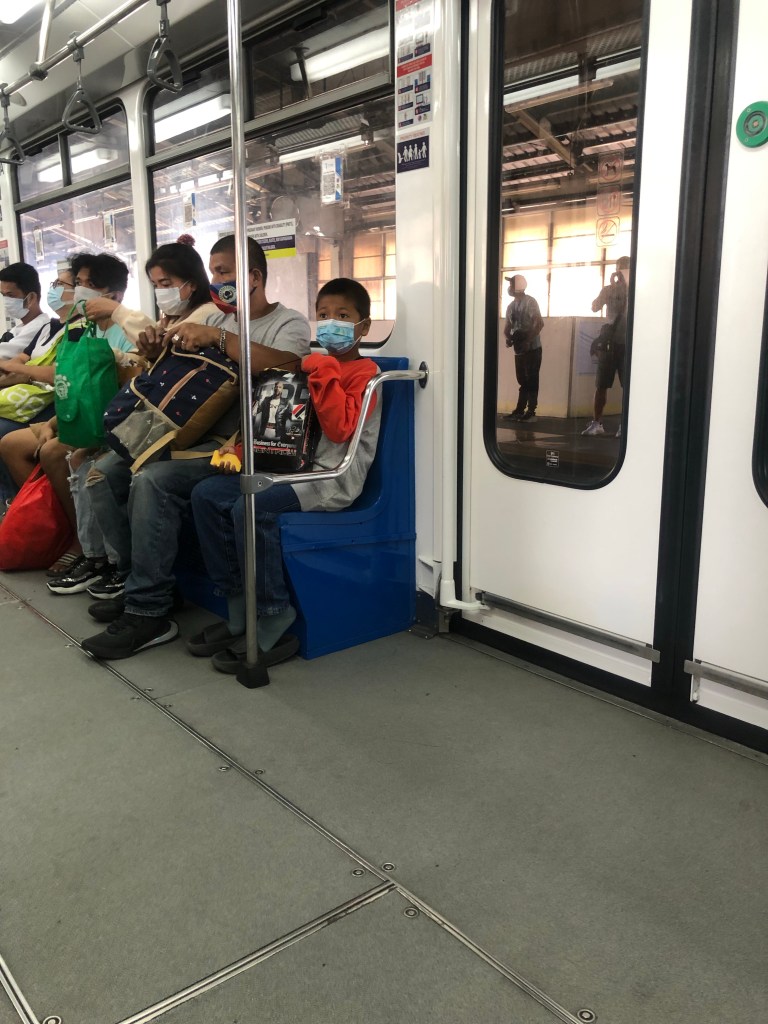
After getting my ticket, I continued to the next phase of entering the metro station and there is a device that will steer your access card to the train as you enter. I noticed that many security guards were roaming around and before entering the station there was a scanning machine and I was feeling secure and safe. Good thing, that there aren’t too many people.

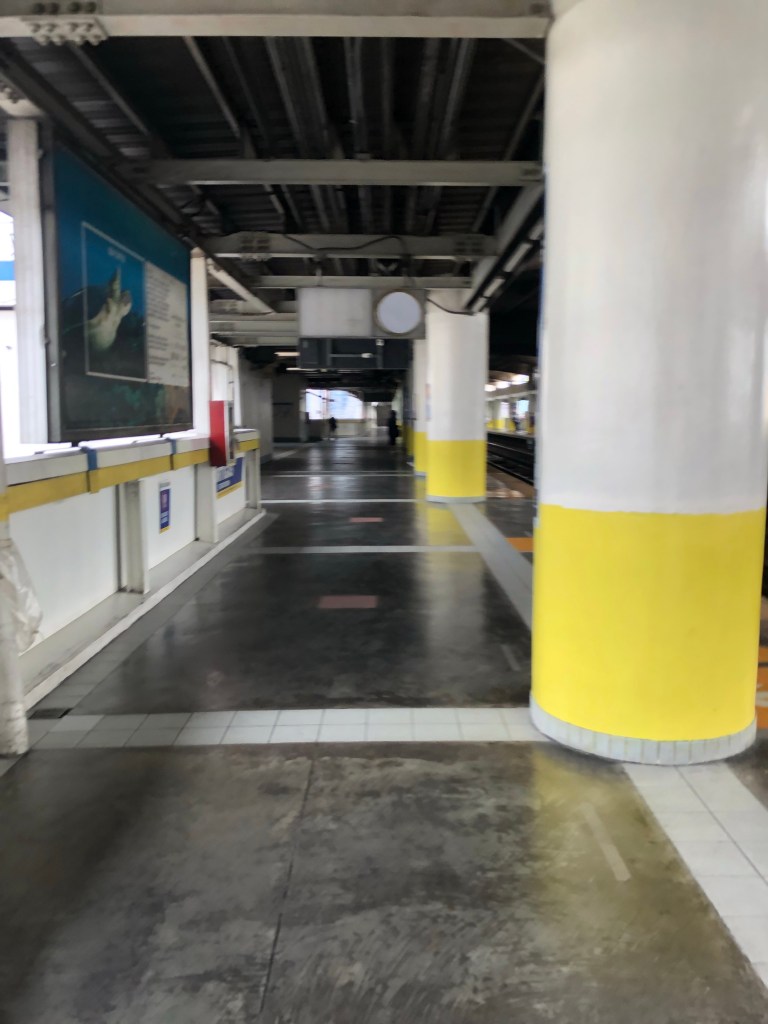
While on the metro, I also couldn’t help but associate the train and the station with the ones I saw abroad. But the quietness of the metro station, its cleanliness, orderly, and disciplined employees caught my attention. Hopefully not because of the pandemic which is mostly due to the proper management of the public setting.

I soon reached my destination, and getting off at Ortigas station stood peaceful and guided even with the train announcements in between prompting the rules of preventing the spreading of the virus inside the train and the noticeable need to repaint the station’s entire building for it’s ancient-looking. Hopefully, always be like this with no queue, peaceful, and disciplined for an enjoyable train experience.

I hope you enjoy my train ride. If you want to watch my vlog here are the links below.

If you want to read more information about MRT in the Philippines links are below.

MRT- Manila Metro Rail Transit

WIKI-MRT

Let’s go to Baguio, Philippines

LAMODA TRAVELS
Travel to Baguio

Baguio was established as the hill station of the United States in 1900 in the area of an Ibaloi village known as Kafagway. It is the only United States hill station in Asia. Baguio is classified as a Highly-Urbanized City. The American architect and city planner Daniel H. Burnham designed the city. The city got its name, from bag-iw which means “moss” in Ibaloi — the native language of Benguet province. On September 1, 1909, the Americans declared Baguio a chartered city and Summer Capital of the Philippines. The area now known as Baguio City was first called Kafagway and was occupied by the Kankaney and Ibaloi tribes of the Cordilleras.

Baguio can also be reached by air via Loakan Airport located south of the city.

The Ilocano language is the dominant dialect in the city. but the national language, Filipino, is spoken by almost everyone.

The term Igorot or Ygolote was the term used by Spanish conquerors for mountain people. Igorot, (Tagalog: “Mountaineer”) any of various ethnic groups in the mountains of northern Luzon, Philippines, all of whom keep, or have kept until recently, their traditional religion and way of life. One of the unique aspects of life in the Cordilleras is that the Igorot people are essentially a self-contained society running all aspects of life from businesses to politics.

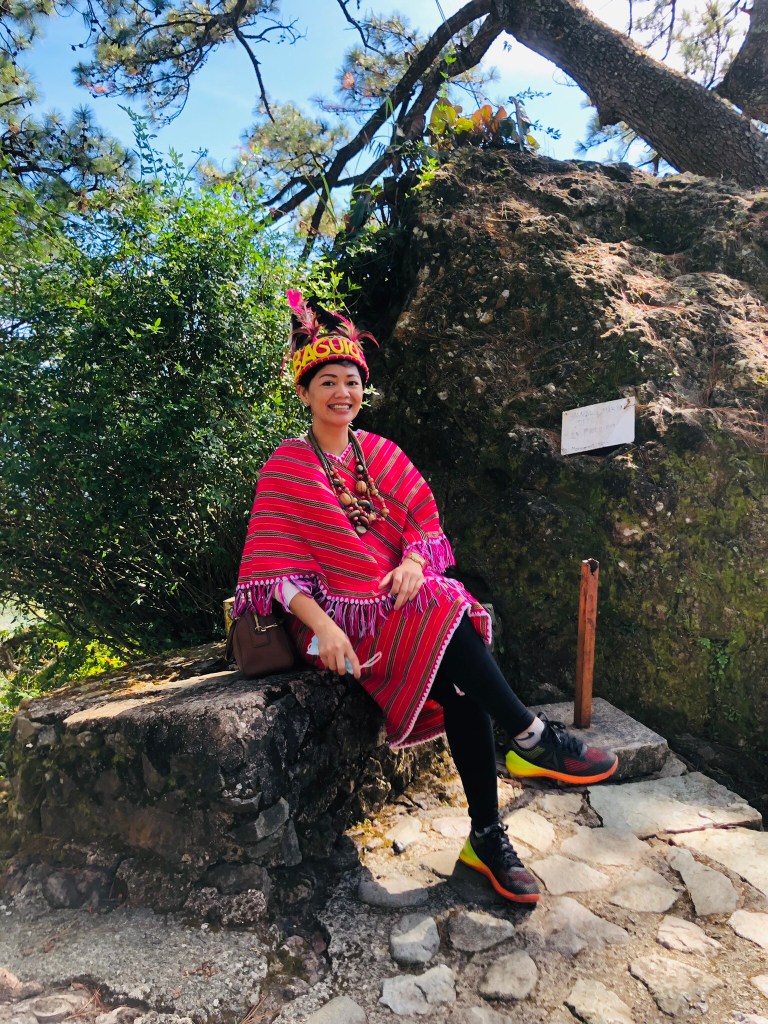
Igorot Costume

This attire is used by the tribes in Mountain Province of the Cordillera ranges, called Igorots. Igorots are known as mountain hunter and lives in the Mountain Province of the Cordillera.

They have their own unique costume
that makes them distinctive from other tribes in the Philippines.

Igorot costume is very simple.
The men wear long strips of handwoven loin cloth called “wanes”.
The woman wear a kind of wrap-around skirt called “lufid”.

You can rent their costumes for a small fee. and have picture taking

Camp John Hay

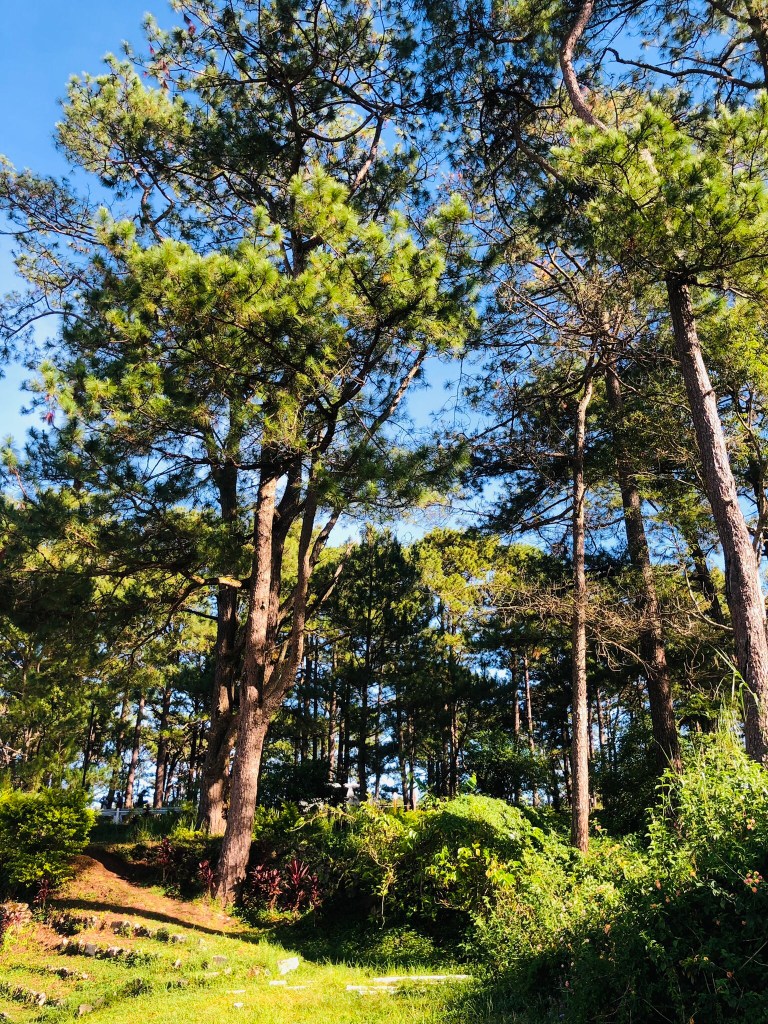
A former military facility, Camp John Hay draws golfers to the Jack Nicklaus-designed course at the Camp John Hay Golf Club, and the Baguio Country Club’s greens and fairways. Pine trees line the Eco Trail, providing shade to joggers and hikers, while Tree Top Adventure caters to thrill-seekers with ziplining courses. The Historical Core contains the Bell House Museum, a well-preserved American Colonial residence.

Burn ham Park

Burnham Park is named after Daniel Burnham, an American architect who was the city planner for Baguio. He designed the park and the original plans for the city simultaneously, and construction began around 1904.

You can rent bikes and swan boats for a small fee and enjoy the park.

Mines View

Mines View is one of the oldest and most famous attractions in the City of Pines. The park got its name from the Benguet mountain range where gold, silver, and copper were once quarried. It was a mining area for local diggers before the Americans discovered Baguio City.

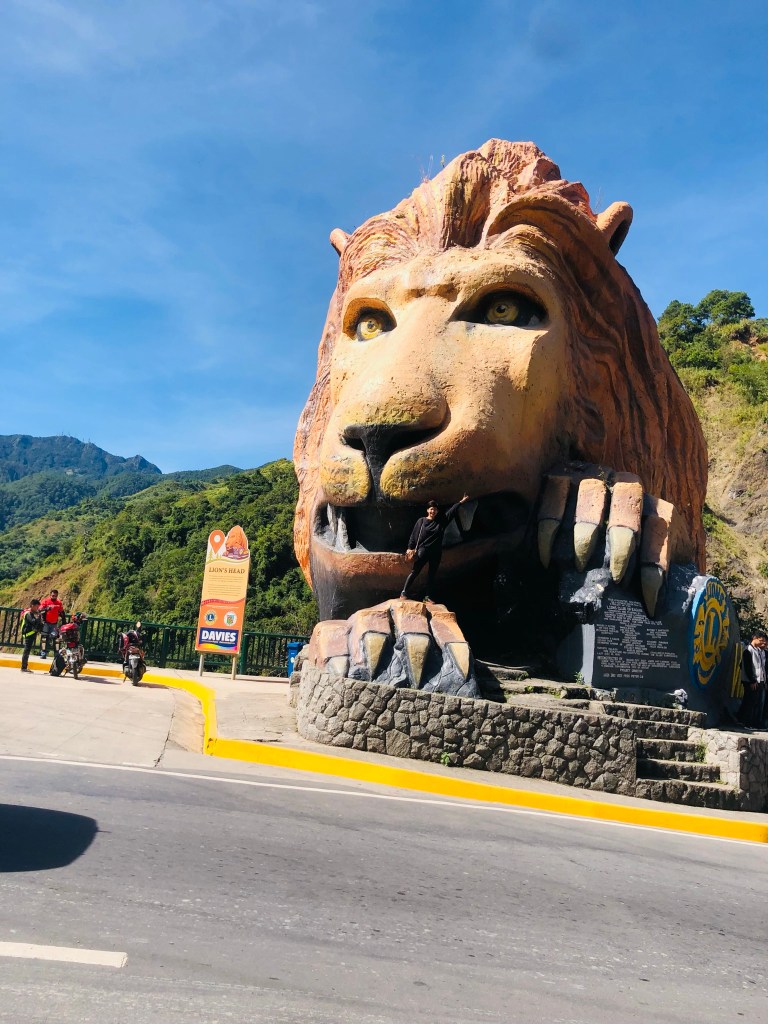
Lions head

The Lion’s Head was conceived by the Lions of Baguio in the late 1960s and was formally unveiled to the public in 1972, with PDG Luis Lardizabal, then-District Governor Robert John Webber, and then-President Pedro Z. Claravall spearheading the project. It was the brainchild of some of the pioneer members of the Baguio City (Host) Lions Club. They wanted to create a symbol that would establish the presence of the group in the area. Baguio City Lions Club members during the Annual Lions Multiple District Convention.